How Roof Leaks After Hailstorms Cause Attic Mold in Oklahoma City
Hail punches through shingles, water soaks your decking, and attic mold can start in 24 to 48 hours. Here is what Oklahoma City homeowners should check first.
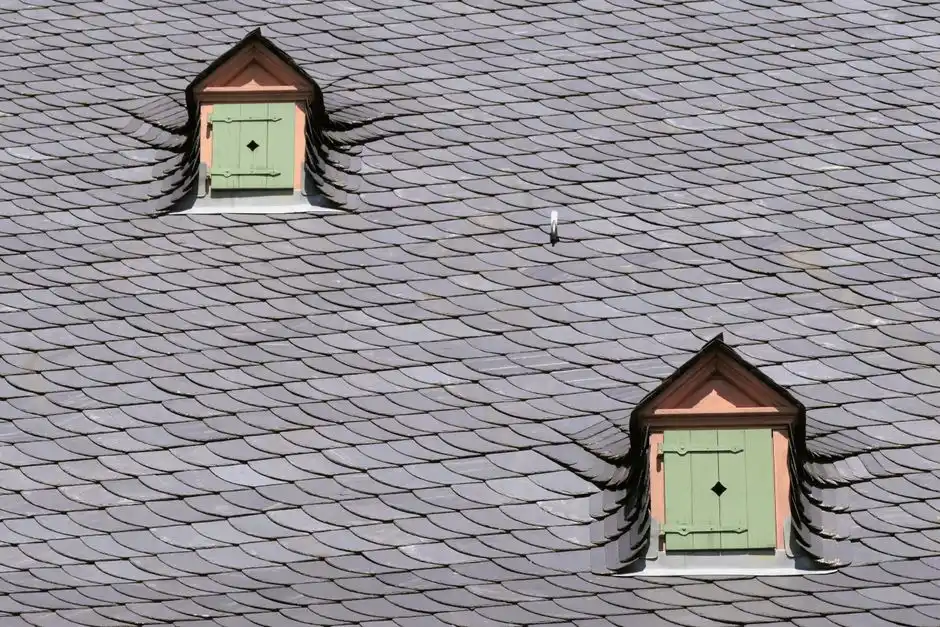
Hailstorm roof leaks cause attic mold in Oklahoma City because hail fractures the shingle mat, water tracks down the roof deck and trusses, and the attic stays dark, still, and humid long after the storm passes. Mold can colonize wet OSB decking in as little as 24 to 48 hours, and most Oklahoma City homeowners never look up there until they smell it.
We have crawled attics from Quail Creek to Cleveland after every major hail event since we started running Mold Remediation Oklahoma City OK calls, and the pattern is almost identical every time. Below is what actually happens up there, how fast it happens, what to check yourself, and when to bring in a crew.
Why Hailstorms in Oklahoma City Lead to Attic Mold
Oklahoma City sits in the heart of Hail Alley, and the metro averages roughly 7 to 9 hail events per year with stones from pea-sized to baseball. A 1-inch stone hits a shingle at around 70 mph and knocks the granules loose. Once the granules are gone, the asphalt underneath bakes in the July sun, cracks, and lets water straight through.
What makes Oklahoma City worse than a lot of markets is the combination of hail, wind, and heat in the same season. A storm drops two inches of rain on a fractured roof, then the next week hits 98 degrees. That heat pushes moisture out of the wet decking and into the attic air, where it condenses on the underside of the roof sheathing at night. That condensation cycle is what feeds the mold.
Attic mold after hailstorm roof leaks Oklahoma City is rarely a single big leak. It is usually a dozen small intrusion points along a ridge, a valley, or a vent boot, each one letting in just enough water to keep a 4-by-8-foot section of decking above 20 percent moisture content.
How Fast Does Attic Mold Grow After a Roof Leak?
Attic mold can begin growing within 24 to 48 hours of a roof leak, and visible colonies usually show up in 7 to 14 days when attic temperatures stay between 75 and 90 degrees. Oklahoma City attics hit 120 degrees on a July afternoon, which accelerates the process.
Here is the rough timeline we see on storm-damage jobs:
- 0 to 24 hours: Water soaks the decking, trusses, and insulation. No visible mold yet.
- 24 to 48 hours: Mold spores that were already dormant in the dust begin to germinate. You cannot see it yet, but it is starting.
- 3 to 7 days: Faint gray or green speckling appears on the north-facing side of the roof deck, usually near the leak point.
- 1 to 3 weeks: Colonies spread outward along the decking. The attic starts to smell musty.
- 1 to 3 months: Mold has moved into the insulation, the top plates, and sometimes down into the wall cavities below.
That timeline is why we tell people to get eyes in the attic within a week of any storm that produced hail larger than a quarter. Waiting until you can smell it means you are already three weeks behind.
What to Check for in the Attic After Hail in Oklahoma City
What to check for in the attic after hail in Oklahoma City is straightforward: look for water stains, dark streaks, soft decking, and any change in the smell. You do not need a moisture meter to spot the obvious stuff, but a $30 pin meter from a hardware store will confirm what your eyes suspect.
Grab a flashlight and do this in daylight, not at night:
- Look at the roof deck from underneath. Water stains look like brown or copper-colored rings. Fresh leaks look dark and wet; old leaks look chalky and dry.
- Check the rafters and trusses. Run your hand along the bottom edge of the rafters near the ridge. If the wood feels cool or damp, you have an active leak.
- Inspect the insulation. Pull back a corner of the batt insulation near any stain. If the paper backing is wavy or the fiberglass is compressed and dark, water has been sitting there.
- Smell the air. A musty, earthy smell that gets stronger as you move toward one side of the attic is the single most reliable sign.
- Check the vent boots and pipe jacks. These are the most common hail-damage leak points, and they are easy to miss because the water runs down the pipe and drips somewhere else.
If you find anything on that list, take photos with your phone before you touch anything. Your insurance adjuster will want them, and so will we.
Signs of Mold After a Roof Leak in an Oklahoma City House
Signs of mold after a roof leak in an Oklahoma City house usually show up in the living space before they show up in the attic. The attic is the source, but the symptoms leak down.
Watch for these:
- A musty smell in an upstairs bedroom or hallway that gets worse on humid days.
- Ceiling stains that reappear after you paint over them. Paint does not stop water.
- Allergy-like symptoms that improve when you leave the house and return when you come back.
- Warped or bubbling drywall near the ceiling line on the top floor.
- Visible dark speckling on the ceiling, especially in corners and near light fixtures.
One thing we hear a lot in older neighborhoods like Mold Remediation in Heritage Hills is that the smell comes and goes. That is normal. Mold goes dormant when the attic dries out and reactivates the next time it rains. The colony is still there either way.
Common Mistakes Homeowners Make After Hail Damage
The biggest mistake we see is treating the roof and the mold as two separate problems. They are one problem with two symptoms, and fixing them out of order costs you money.
Other mistakes that show up on almost every job:
- Waiting for the insurance check before tarping. A $200 tarp today prevents a $4,000 remediation next month. Do not wait.
- Painting over ceiling stains. Stain-blocking primer hides the evidence but does nothing about the moisture. The mold keeps growing behind it.
- Spraying bleach on attic decking. Bleach kills surface mold on non-porous materials. On wood, it evaporates too fast to reach the hyphae, and it leaves behind water that feeds the next bloom.
- Assuming the roofer handles it. Roofers replace shingles. They do not remove mold, they do not dry the decking, and they are not set up to handle contaminated insulation.
- Running a box fan in the attic. Air movement helps, but a box fan in a 120-degree attic just stirs spores into the living space through the ceiling gaps.
If you have already made one of these calls, do not panic. Most of them are recoverable. The one that is not is ignoring the problem for a full season.
Should You Fix the Roof Before Cleaning Up the Mold?
Yes. The roof has to be watertight before any mold cleanup starts, or you are cleaning a surface that is going to get wet again. We tell every homeowner the same thing: tarp or repair first, remediate second.
That does not mean you have to wait for a full roof replacement. A tarp or a targeted repair over the leak points is enough to stop the water. Once the roof is dry, we can do the Mold Inspection Oklahoma City OK and figure out how far the growth has spread.
On a typical Oklahoma City storm job, the sequence looks like this:
- Emergency tarp or roof repair to stop active water intrusion.
- Attic inspection and moisture mapping to find every wet zone, not just the obvious one.
- Containment and HEPA filtration to keep spores out of the living space.
- Removal of contaminated insulation, drywall, or decking where the mold has gone too deep to clean.
- Treatment of the remaining structural wood.
- Structural drying to bring moisture content back under 15 percent.
- Clearance testing to confirm the attic is clean before we close the job.
Typical 2026 pricing in the Oklahoma City metro for attic mold remediation runs $1,800 to $6,500 depending on square footage, how much insulation has to be replaced, and whether the growth has reached the wall cavities. Roof repair is separate and usually runs $400 to $2,500 for a targeted fix.
When to Call a Professional
Call a professional when the mold covers more than about 10 square feet, when the smell has reached the living space, or when you can see growth on the structural wood rather than just the surface of the insulation. Those three conditions mean the problem has moved past what a homeowner can safely handle with a respirator and a spray bottle.
We handle this every week across the metro. Our team does the Residential Mold Remediation Oklahoma City OK side of the job, and we coordinate with your roofer so the repair and the cleanup happen in the right order. If the growth has spread into the HVAC or the wall cavities, we add HEPA Air Filtration Oklahoma City OK to keep spores from circulating through the house while we work.
If you want to stop the next storm from doing the same thing, we also set up Mold Prevention Oklahoma City OK plans that include attic ventilation checks, humidity monitoring, and a post-storm inspection schedule.
Frequently Asked Questions
Can hail damage cause attic mold in Oklahoma City?
Yes. Hail fractures shingles and vent boots, water enters the attic, and mold can start growing on wet decking within 24 to 48 hours. Oklahoma City's heat and humidity speed that timeline up compared to cooler markets.
How do I know if a roof leak caused mold in my attic?
Look for brown water stains on the underside of the roof deck, dark streaks on rafters, and a musty smell that gets stronger near one side of the attic. If the stain and the smell are in the same area, the leak caused the mold.
How soon should I inspect my attic after hail damage?
Within 7 days, and within 48 hours if you saw hail larger than a quarter. Mold can germinate in 24 to 48 hours, so the sooner you look, the cheaper the fix.
Should a roof leak be repaired before attic mold cleanup?
Yes. The roof must be watertight first, or the cleanup will not hold. A tarp or targeted repair is enough to stop the water while you schedule the remediation.
Who can inspect attic mold after a hailstorm in Oklahoma City?
A licensed mold remediation company with attic experience. We inspect, test, and document the growth, then coordinate with your roofer so the repair and cleanup happen in the right order.
Get Help With Mold Remediation in Oklahoma City
If hail hit your roof this season and you have not looked in the attic yet, do it this week. The difference between a $1,800 cleanup and a $6,500 one is usually about three weeks of waiting.
Call Oklahoma Mold Force at (405) 309-1272 and we will get eyes on your attic, document what we find, and give you a clear plan before anything gets torn out.