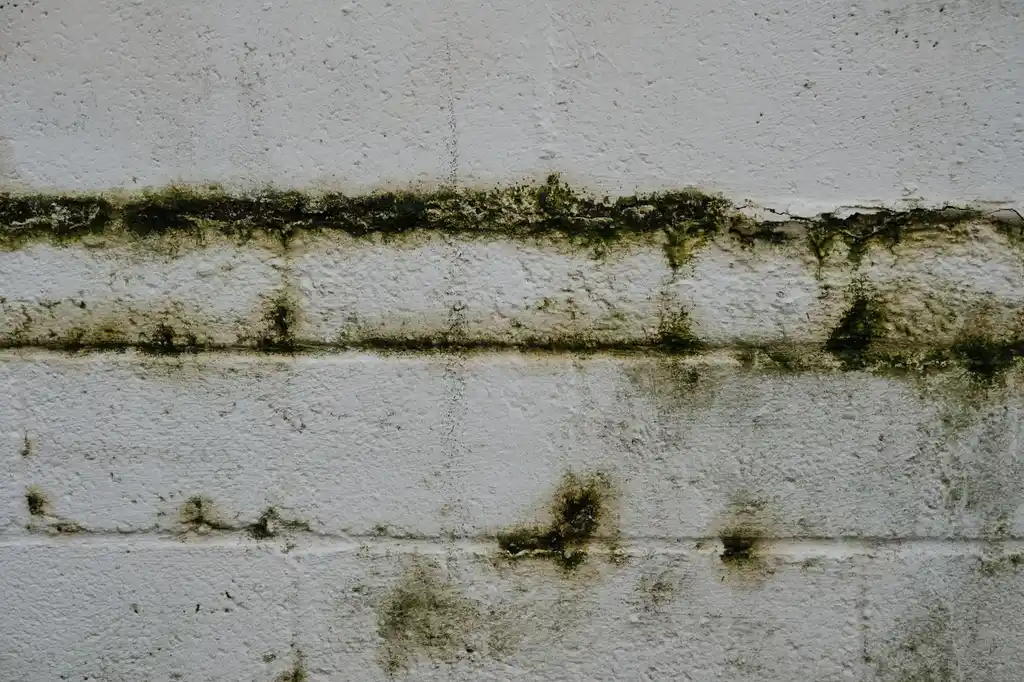
Mold Testing
Mold Testing Oklahoma City OK You Can Trust
Mold Testing Oklahoma City OK gives you a straight answer about what is growing in your home or building. We collect air and surface samples, send them to an accredited lab, and hand you a written report with species, spore counts, and a clear next step. If you have smelled something musty since the last storm or noticed staining after a slow leak, this is where to start.
Service overview
What Mold Testing Oklahoma City OK Actually Involves
Mold Testing Oklahoma City OK is a diagnostic service that collects air and surface samples from your property and sends them to an accredited laboratory to identify mold species, spore concentrations, and moisture sources. We use a calibrated air sampling pump, moisture meter, hygrometer, and infrared thermal imaging camera to find the wet spots you cannot see. Every sample is documented with a chain-of-custody form so the lab results hold up for insurance, real estate, or a remediation scope.
Oklahoma City properties deal with humidity swings that push indoor moisture past 60 percent in spring and fall, and that is when hidden mold growth takes off. A slow supply-line leak behind a cabinet, a roof leak that soaked attic decking, or a crawl space that never dried out after a flood all feed Stachybotrys chartarum and other spores. If you have been searching for mold testing near me in Oklahoma City, we handle residential and commercial jobs across Oklahoma County with same-day appointments in most cases.
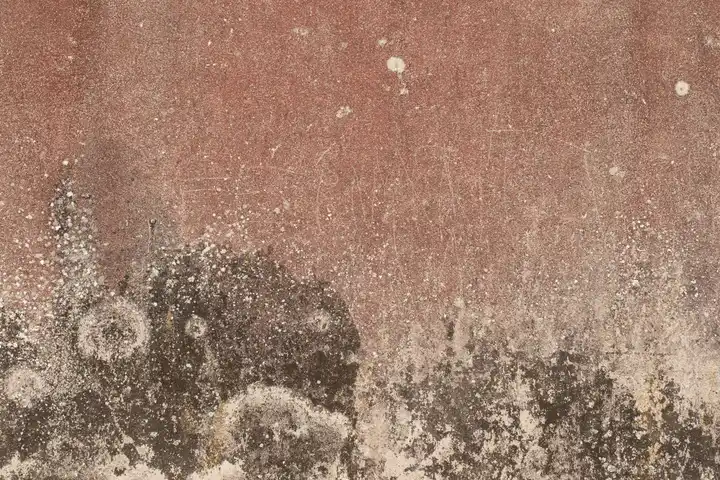
Practical benefits
Why Oklahoma City Property Owners Order Testing
Testing turns a guess into a documented fact. Here is what you get when you book mold sampling Oklahoma City with our team.
Documented Lab Results
You receive a written report listing each mold species found, the spore count per cubic meter, and the outdoor baseline for comparison. That report is what insurance adjusters and remediation crews need to price a scope correctly. No vague verbal guesses, no pressure to buy anything.
Hidden Growth Found Fast
We use an infrared thermal imaging camera and a Protimeter moisture meter to scan walls, ceilings, and subfloors for temperature and moisture anomalies. In a typical 2,000 square foot home we locate the wet zone in under 90 minutes, even when the surface looks dry and clean.
Healthier Indoor Air
Elevated spore counts trigger allergies, sinus problems, and asthma flare-ups. Once we know what is airborne, you can run a HEPA air scrubber in the right room and fix the moisture source instead of guessing. Most clients see indoor counts drop within days of remediation.
Clear Next-Step Plan
The report tells you whether you need remediation, a moisture repair, or just better ventilation. We flag the exact materials affected, from mold-contaminated drywall to attic sheathing, so you are not paying for work your property does not need.
How service works
How Our Mold Testing Process Works
Five steps, one visit in most cases, and a written report in your inbox. Here is exactly what happens when you call us.
STEP 01
Phone Intake
You call (405) 309-1272 and describe what you have seen or smelled. We ask about water events, roof leaks, HVAC issues, and how long the problem has been going on. That call takes about 10 minutes and lets us bring the right sampling gear on the first trip.
Tools and methods
Tools and Methods We Use
Air Sampling Pump
Draws a measured volume of air through a spore trap cassette so the lab can count spores per cubic meter. We run it 5 to 10 minutes per zone for a valid sample.
FLIR Infrared Thermal Imaging Camera
Reveals temperature differences behind walls and ceilings that point to hidden moisture. It lets us find wet zones without cutting into finished surfaces.
Protimeter Moisture Meter
Reads moisture content in drywall, wood, and concrete. We use it to map how far water has traveled and to confirm whether a material is dry enough to keep.
Borescope
Slides through a small hole to show the inside of a wall cavity or duct. It confirms mold growth in spaces you cannot see from the room.
HEPA Air Scrubber
Filters airborne spores during inspection and remediation. We deploy XPOWER and OmniAire units sized to the room so we are not spreading spores while we work.
Hygrometer
Measures relative humidity in each zone. Readings above 60 percent tell us the space needs dehumidification or ventilation work alongside remediation.
IICRC AMRT Sampling Protocol
We follow IICRC Applied Microbial Remediation Technician standards for sample placement, chain of custody, and documentation. That means a control sample outdoors, labeled cassettes, and a report that holds up for insurance and real estate.
Moisture Mapping
Every affected room gets a grid of moisture readings with a Protimeter meter and thermal camera. The map shows the wet perimeter and guides where we place samples, so we are testing the right spots instead of guessing.
Accredited Lab Analysis
Samples go to an accredited third-party lab that identifies species and counts spores. We never run in-house tests. The independent report is what makes your documentation defensible.
Clearance Testing
After remediation, we repeat air sampling in the same zones and compare to the outdoor baseline. Clearance passes when indoor counts return to normal levels, which is how you know the job is actually done.
Where this service fits
When to Schedule Mold Testing
You are buying or selling a home in Oklahoma City and the inspection report mentions moisture or staining.
We run air and surface sampling in the flagged areas plus a control sample, then deliver a lab report the lender or buyer can review. Rush turnaround is available for closing deadlines. You get a documented answer before closing, which protects your negotiation position and your wallet.
Your HVAC system has been running with a musty smell since the last cooling season.
We inspect the air handler, drain pan, and ductwork, then take air samples at return vents. If mold is growing in the system, we scope HEPA air filtration and coil cleaning. You stop circulating spores through every room and get a clean system before the next season.
A tenant or employee has complained about a moldy smell in a commercial building.
We perform commercial mold testing for an Oklahoma City property with zone-by-zone sampling and a written report formatted for property managers and insurers. You have documentation to address the complaint, plan remediation, and show due diligence.
You had a water leak repaired but want to confirm no mold started behind the wall.
We sample the repaired area and a nearby control zone, check moisture with a meter, and compare indoor spore counts to the outdoor baseline. You know whether the repair dried fully or whether hidden growth needs remediation.
Local execution
How Mold Testing Runs in Oklahoma City
Oklahoma City sits in a climate zone that swings hard between humid springs and dry summers, and that cycle drives most of the mold work we do. April through June brings heavy rain and indoor humidity that climbs past 60 percent, which is prime conditions for hidden mold growth in crawl spaces and wall cavities. Summer air conditioning keeps surfaces cool while outdoor air stays moist, so condensation forms on ductwork and interior walls. Winter ice dams and roof leaks soak attic decking, and we see a spike in attic mold calls every January and February. Building stock matters too. Pre-1950 homes in Heritage Hills and Lincoln Terrace have plaster walls and minimal vapor barriers, so they hold moisture longer than newer construction. We adjust our sampling plan for each property type and always run an outdoor control sample. If you need professional mold testing and lab analysis Oklahoma City wide, we cover ZIP codes 73116, 73118, and 73119 daily, with 73099, 73114, and 73117 on the same schedule.
Heritage Hills
Historic plaster walls and older plumbing hold moisture longer, so we take extra wall-cavity samples and check for slow supply-line leaks.
Quail Creek
Many homes here have finished basements and HVAC closets that trap condensation. We sample both zones on every call.
Mesta Park
1920s bungalows with pier-and-beam foundations are prone to crawl space humidity. We test crawl space air and joists together.
Crown Heights
Mature trees drop debris that clogs gutters and backs water into fascia and attic edges. We check those areas first after storms.
Belle Isle
Larger homes with multiple HVAC zones need zone-by-zone sampling so we do not miss a problem in an unused wing.
Spring humidity above 60 percent indoors
Drives condensation on cool surfaces and feeds mold in crawl spaces and closets. We schedule more air sampling in April through June and recommend dehumidifier desiccant units for affected zones.
Summer AC condensation on ductwork
Moisture collects in drip pans and duct insulation, which can grow mold inside the HVAC system. We sample return vents and inspect the air handler on every summer call.
Winter roof leaks and ice dams
Water soaks attic decking and insulation, leading to attic mold from roof leaks. We inspect the attic with a moisture meter and thermal camera before sampling.
Post-storm flooding in low-lying areas
Standing water wicks into drywall and subfloor within hours. We prioritize post-flood microbial growth calls and pair testing with structural drying recommendations.
Problems we solve
Problems Our Testing Solves for Oklahoma City Owners
Most people call us because something feels wrong and they cannot see why. These are the situations we run into every week across Oklahoma County.
Musty smell with no visible mold
We use a borescope and thermal camera to find the source, then take air samples from the affected room and a control area. The lab report tells you exactly what is growing and where the moisture is coming from. Odor usually means active growth inside a wall, under flooring, or in the HVAC system. Ignoring it lets spores spread through the whole house and raises the cost of remediation.
Mold after a water leak or flood
We sample the affected materials and the air, document moisture readings, and give you a scope that pairs remediation with structural drying. If you caught it early, we may only need to dry and retest. Post-flood microbial growth can start within 24 to 48 hours. Drywall, insulation, and subfloor absorb water and stay wet long after the surface feels dry, feeding mold colonies for weeks.
Attic mold from a roof leak
We inspect the attic with a moisture meter and thermal camera, sample the decking, and identify the leak path. The report gives your roofer and our remediation crew a clear target. Attic mold spreads along roof decking and trusses, and it can drip condensation onto insulation and ceilings below. Left alone, it rots framing and voids roofing warranties.
Crawl space mold and high humidity
We sample the crawl space air and joists, measure humidity, and recommend encapsulation or a dehumidifier desiccant setup. Testing before and after tells you whether the fix worked. Oklahoma crawl spaces stay damp most of the year. Without a vapor barrier and dehumidifier desiccant unit, wood joists and subfloor grow mold that pushes spores up into living space.
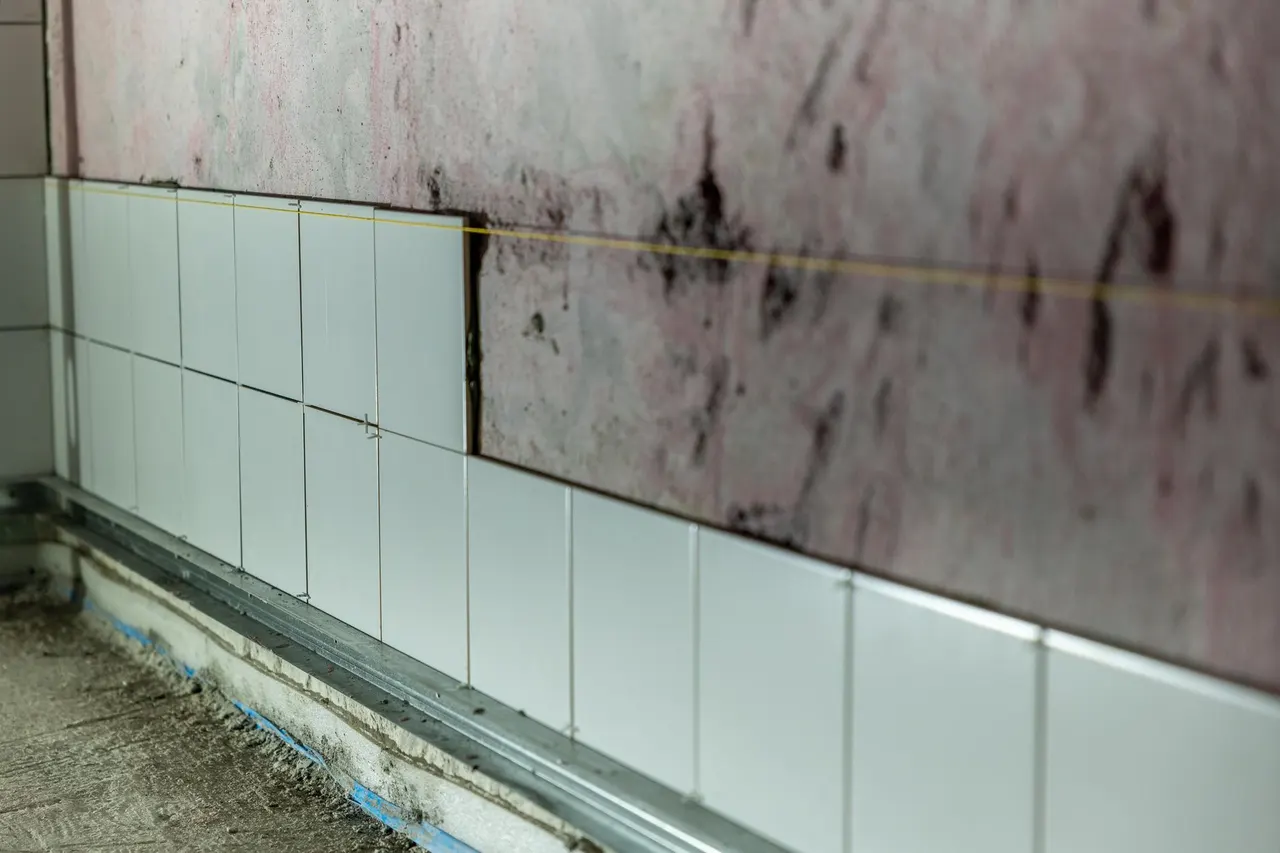


A practical standard for every visit.
Clear planningPrepared arrivalsCareful workLocal follow-through
Experience in the details
14 Years Testing Oklahoma City Properties
Oklahoma Mold Force has been testing and remediating Oklahoma City properties since 2012, which puts us at 14 years in the field as of 2026. Our technicians hold IICRC Applied Microbial Remediation Technician (AMRT) and Water Restoration Technician (WRT) credentials, and our supervisors carry ACAC Council-certified Microbial Remediation Supervisor (CMRS) and Indoor Environmentalist (CIE) certifications. We have sampled everything from 1920s bungalows in Mesta Park to 40,000 square foot commercial buildings, and we know how Oklahoma humidity behaves inside each building type.
- IICRC AMRT and WRT certified technicians on every mold testing job.
- ACAC CMRS and CIE certified supervisors review every lab report.
- 14 years serving Oklahoma County since our 2012 founding.
- Thousands of air and surface samples collected across the metro.
- Direct lab partnerships for 2 to 5 day standard turnaround.
Where we work
One local team. A lot of ground covered.
Quail CreekThe GreensHeritage HillsMesta ParkCrown HeightsEdgemere ParkBelle IsleLakehurstLincoln TerraceCleveland
Check my address Most residential mold testing in Oklahoma City runs $250 to $650 in 2026, depending on how many air and surface samples you need. A basic 2-sample air test starts near $250, while a full inspection with 4 air samples and 3 surface swabs lands closer to $650. Commercial jobs are quoted per zone. The lab fee is included in every quote we give.
Professional mold testing includes a visual inspection, moisture readings, air sampling with a calibrated pump, surface sampling where growth is visible, and accredited lab analysis. You get a written report with species identification, spore counts, and an outdoor baseline. We also include a phone walkthrough of the findings and a written remediation scope if work is needed.
Yes, in most cases. Visible mold tells you something is growing, but not what species or how far it has spread behind the wall. Testing confirms whether you are dealing with Stachybotrys chartarum or a less aggressive surface mold, and it establishes a baseline spore count. That baseline is what a remediator uses to prove the job is actually clean at clearance.
Standard lab turnaround is 2 to 5 business days from the time samples arrive. Rush analysis is available in 24 to 48 hours when you have a real estate closing or an insurance deadline. We send the report by email and follow up with a call to walk you through what the numbers mean for your Oklahoma City property.
Keep exploring
Related Services We Offer
Your next step is waiting
Book Mold Testing Oklahoma City OK Today
If you have seen staining, smelled something musty, or had water in the house, get answers before the problem spreads. Call (405) 309-1272 and we will schedule your sampling visit, usually the same day. Licensed, insured, and lab-backed.
Start with the basics
Contact Oklahoma Mold Force
Call us at (405) 309-1272 or email [email protected]. We answer the phone 24/7 for emergencies and can usually schedule an inspection within 24 hours. If you are dealing with mold in Oklahoma City, reach out today and we will get you a clear plan and a written price.