Why Crawl Space Mold Is a Concern in Older Oklahoma City Homes
Crawl space mold in older Oklahoma City homes comes from pier-and-beam foundations, clay soil, and decades of humidity. Here's what to check and what to do.
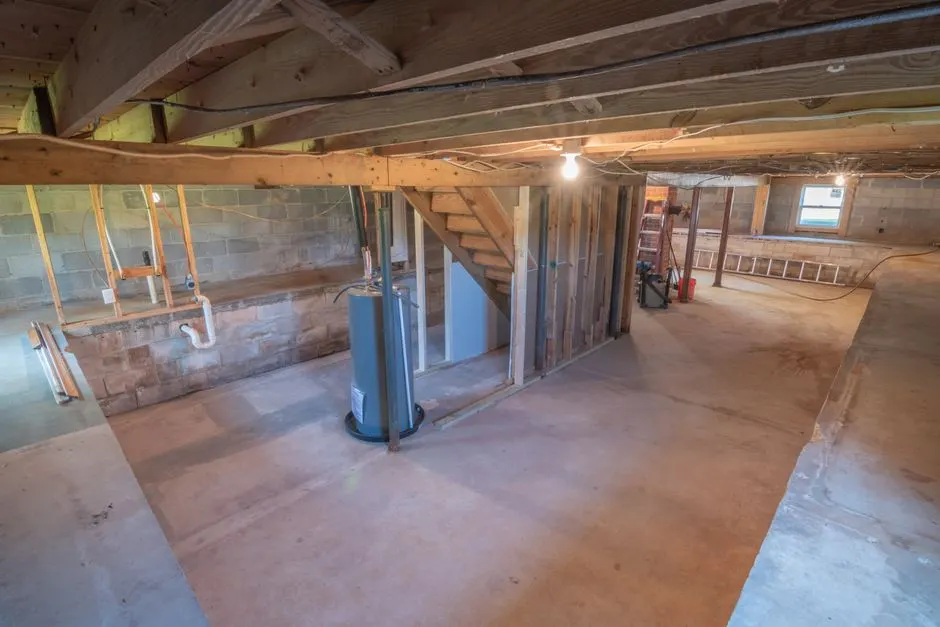
Crawl space mold is a concern in older Oklahoma City homes because most pre-1960 houses here sit on pier-and-beam foundations with open vents, bare soil floors, and 60 to 90 years of slow moisture accumulation. Oklahoma County's clay soil holds water for days after a rain, and our humid springs push that moisture straight up into the floor system. This post covers why it happens, how to spot it, what it does to your health and your home's value, and how we dry and remediate a moldy crawl space.
If you own a bungalow in Mesta Park or a two-story in Heritage Hills, the crawl space is the one part of the house you almost never see - and the part most likely to be quietly failing.
Why Crawl Space Mold Is Common in Older Oklahoma City Homes
Crawl space mold in older Oklahoma City homes is a moisture problem first and a mold problem second, and the moisture almost always traces back to the foundation type. Most homes built here between 1920 and 1960 used pier-and-beam construction: a raised floor, a ventilated perimeter, and no vapor barrier over the dirt. That design made sense before air conditioning. It does not make sense in a climate that swings from 15°F in January to 105°F in August.
Three things happen in that crawl space every year. First, humid Gulf air enters through the foundation vents in spring and condenses on cool floor joists. Second, heavy rain soaks the clay soil, which wicks moisture upward through the piers and the soil floor. Third, any plumbing leak - and older galvanized or cast-iron drain lines leak - adds a steady drip to an already damp environment. Mold needs 24 to 48 hours of sustained moisture at 60°F or above to colonize wood. Oklahoma City gives it months.
We see the same pattern in the older neighborhoods we work in most: Mold Remediation in Heritage Hills almost always involves a 1930s pier-and-beam house with a dirt floor and no vapor barrier. The fix is not just killing mold - it is closing off the moisture source permanently.
Signs of Crawl Space Mold in an Older House
Signs of crawl space mold in an older house Oklahoma City OK homeowners notice first are usually upstairs, not downstairs. Mold in the crawl space does not stay in the crawl space. Air moves up through gaps around plumbing, wiring, and HVAC chases, carrying spores and that musty odor with it.
Watch for these:
- A persistent musty smell on the first floor, strongest in bathrooms, closets, and under stairs.
- Cupping or buckling hardwood floors - the boards lift at the edges as the subfloor absorbs moisture from below.
- Soft or spongy spots when you walk across the living room or hallway.
- Condensation on cold-water pipes in summer, which is a sign the crawl space is at or near 100% relative humidity.
- Visible dark staining or white chalky growth on the joists, sills, or subfloor if you go under the house.
- Allergy symptoms that improve when you leave the house and return when you come back.
If you can see or smell any of this, the mold has been growing for weeks, not days. A proper Mold Inspection Oklahoma City OK will tell you how far it has spread and whether the wood is still structurally sound.
What Causes Moisture Under an Older House?
Moisture under an older house comes from four sources, and most Oklahoma City crawl spaces have at least two of them working at once. Finding the source matters more than scrubbing the mold, because mold returns every time the moisture does.
- Bare soil. A dirt floor releases 10 to 20 gallons of water vapor per day into a typical 1,200-square-foot crawl space. Without a 6-mil vapor barrier, that water goes into your floor joists.
- Poor drainage. Oklahoma City clay drains at roughly 0.1 to 0.5 inches per hour. Water pools against the foundation for days after a storm and seeps through mortar joints and pier footings.
- Plumbing leaks. Original cast-iron drain lines in pre-1960 homes crack at the hubs. A slow drip under a bathroom adds constant moisture to the soil.
- HVAC and dryer venting. Leaky ductwork in the crawl space dumps cool, humid air into a warm space - instant condensation on every joist.
We also find grading problems on almost every older home we inspect. The soil around the foundation has settled over decades, so the yard now slopes toward the house instead of away from it. Regrading and extending downspouts 6 to 10 feet from the foundation is one of the cheapest fixes you can make.
Health and Property Concerns From Crawl Space Mold
Health and property concerns from crawl space mold are real, measurable, and they compound over time. On the health side, mold spores and microbial volatile organic compounds travel upward into living space. People with asthma, seasonal allergies, or compromised immune systems often notice symptoms first - coughing, headaches, sinus congestion, and skin irritation that clear up when they leave the house.
On the property side, the damage is structural and financial. Mold digests the cellulose in wood framing. A floor joist that has been colonized for two years can lose a meaningful share of its load capacity. We have pulled subfloor panels in Crown Heights where the plywood delaminated in sheets because the underside had been wet since the previous owner's washing machine line failed.
There is also a resale problem. Oklahoma disclosure rules require sellers to disclose known mold. A buyer's inspector with a moisture meter will find a damp crawl space in about 10 minutes. Remediation before listing is almost always cheaper than a price reduction after inspection.
When the growth is the dark, toxigenic kind - Stachybotrys, the black mold people worry about - the job needs containment, negative air pressure, and HEPA filtration, not a spray bottle from the hardware store. That is what Black Mold Removal Oklahoma City OK looks like when it is done correctly.
Common Mistakes Oklahoma City Homeowners Make
The most common mistake we see is treating the mold and ignoring the water. Bleach or a store-bought spray kills surface growth on a joist. It does nothing about the 90% relative humidity that will have new mold on that same joist within three weeks.
Other mistakes that cost homeowners real money:
- Sealing the crawl space vents without a dehumidifier. Closing vents can help, but only if you also control humidity mechanically. Otherwise you trap moisture inside.
- Laying plastic over wet soil. A vapor barrier goes over dry soil. If you cover saturated ground, you create a greenhouse under the plastic.
- Disturbing mold without containment. Brushing or sanding moldy joists without plastic sheeting and a HEPA vacuum spreads spores through the entire house.
- Assuming a new HVAC filter solves it. Filters capture some airborne spores. They do not fix the source, and a 1-inch filter in an older system is not rated for mold spores anyway.
- Waiting until the floor feels soft. By the time a floor feels spongy, you are looking at joist replacement, not just cleanup.
Moisture control for older Oklahoma City houses is a system, not a single product. Vapor barrier, drainage, ventilation or encapsulation, and dehumidification work together. Skip one and the others underperform.
When to Get an Older Oklahoma City Home Checked for Crawl Space Mold
Get an older Oklahoma City home checked for crawl space mold any time you smell mustiness, see cupping floors, or have had any water event in the last 12 months - including a slow plumbing leak you already "fixed." Mold does not need a flood. It needs a damp week.
Specific triggers that should prompt a call:
- You are buying or selling a home built before 1970.
- Your last HVAC inspection found condensation in the crawl space.
- A pipe has leaked under the house at any point in the past year.
- You or a family member has new allergy or asthma symptoms that are worse at home.
- You have never looked inside the crawl space and the house is over 40 years old.
Our team handles this work every week across the metro, and we can usually tell within 15 minutes of walking a crawl space whether the problem is active or historical. If you want a straight answer before you spend money on anything else, start with Mold Testing Oklahoma City OK so you know exactly what you are dealing with.
How Professionals Dry and Remediate a Moldy Crawl Space
Professional crawl space mold cleanup and remediation follows a fixed sequence: stop the water, contain the area, remove what cannot be saved, dry the structure, then prevent recurrence. Skipping steps is how mold comes back.
Here is what the process looks like in practice on an older Oklahoma City home:
- Source correction. We find and stop the water - plumbing repair, regrading, downspout extensions, or drainage correction.
- Containment. Plastic sheeting at the access hatch and any openings, with negative air pressure so spores do not migrate into the house.
- Removal. Mold-damaged insulation, vapor barrier, and any wood that has lost structural integrity comes out in sealed bags.
- HEPA vacuuming and antimicrobial treatment. Every exposed surface gets HEPA-vacuumed, then treated. This is where HEPA Air Filtration Oklahoma City OK units run continuously to scrub the air.
- Structural drying. We bring the wood moisture content down to 12% to 15% using dehumidifiers and directed airflow. That typically takes 3 to 5 days for a standard crawl space.
- Vapor barrier and moisture control. A 6-mil or 10-mil liner over the soil, sealed at the piers and walls, plus a crawl space dehumidifier set to 50% relative humidity.
- Verification. Post-remediation moisture readings and, when needed, air sampling to confirm the space is dry and clear.
Most older Oklahoma City crawl spaces we treat fall between $1,800 and $6,500 in 2026, depending on square footage, how much wood needs replacing, and whether encapsulation is part of the scope. A single-room job with limited growth is at the low end. A full encapsulation with joist replacement is at the high end.
If the damage has reached the subfloor or joists, we rebuild what we remove. That is the Mold Damage Repairs and Reconstruction Oklahoma City OK side of the job, and it is why the floor feels solid again when we finish.
Frequently Asked Questions
Why is crawl space mold a concern in older Oklahoma City homes?
Because most pre-1960 homes here have pier-and-beam foundations with bare soil and open vents, which trap humidity from Oklahoma's clay soil and humid springs. That sustained moisture lets mold colonize floor joists within 24 to 48 hours and spread into living space.
How can I tell if my crawl space has mold?
A musty smell on the first floor, cupping hardwood, and condensation on cold pipes are the top three signs. If you can safely enter the crawl space, look for dark staining or white chalky growth on joists and the subfloor. A professional inspection confirms it in under an hour.
What causes moisture under an older house?
Bare soil releasing 10 to 20 gallons of vapor per day, poor grading that pools water against the foundation, slow plumbing leaks in original cast-iron lines, and leaky HVAC ducts. Most older Oklahoma City crawl spaces have at least two of these active at once.
Can crawl space mold affect indoor air quality?
Yes. Air rises from the crawl space through plumbing, wiring, and HVAC penetrations, carrying spores and mold odors into living areas. Homes with crawl space mold often show elevated spore counts on the first floor, especially in bathrooms and closets above the affected area.
How do professionals dry and remediate a moldy crawl space?
We stop the water source, contain the space, remove unsalvageable material, HEPA vacuum and treat surfaces, then dry the wood to 12% to 15% moisture content over 3 to 5 days. A sealed vapor barrier and dehumidifier keep it dry afterward.
Get Help With Mold Remediation in Oklahoma City
If your older home smells musty or your floors are starting to cup, the crawl space is the first place to look - and the sooner we get under there, the less wood we have to replace. Oklahoma Mold Force handles Mold Remediation Oklahoma City OK for pier-and-beam homes across the metro, from inspection through drying, repair, and prevention.
Call (405) 309-1272 and we will schedule a crawl space inspection, tell you what we find, and give you a flat price before any work starts.